
Lab Facilities - Electronics & Communication Engineering
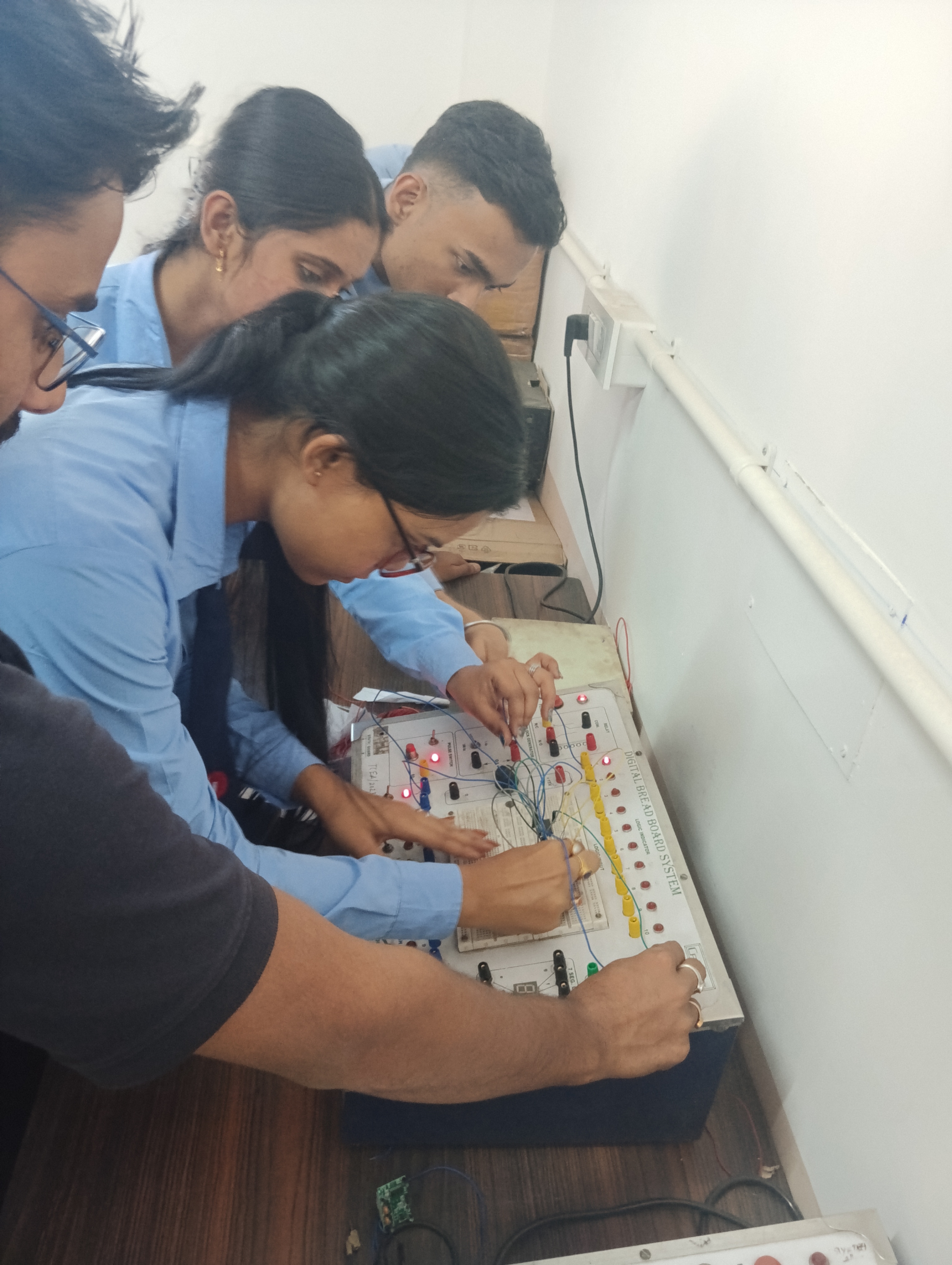
Digital Electronics Lab
This lab course gives hands-on experience in designing and testing digital circuits. Students begin with basic logic gates, verify Boolean laws and De Morgan’s Theorem, and move on to build important combinational circuits like adders, subtractors, encoders, decoders, multiplexers, and demultiplexers.They also work on sequential circuits such as flip-flops, counters, and shift registers, and learn about ADCs and DACs. Virtual labs are used to support learning. By the end, students gain practical skills in digital electronics useful for real-world applications.
View More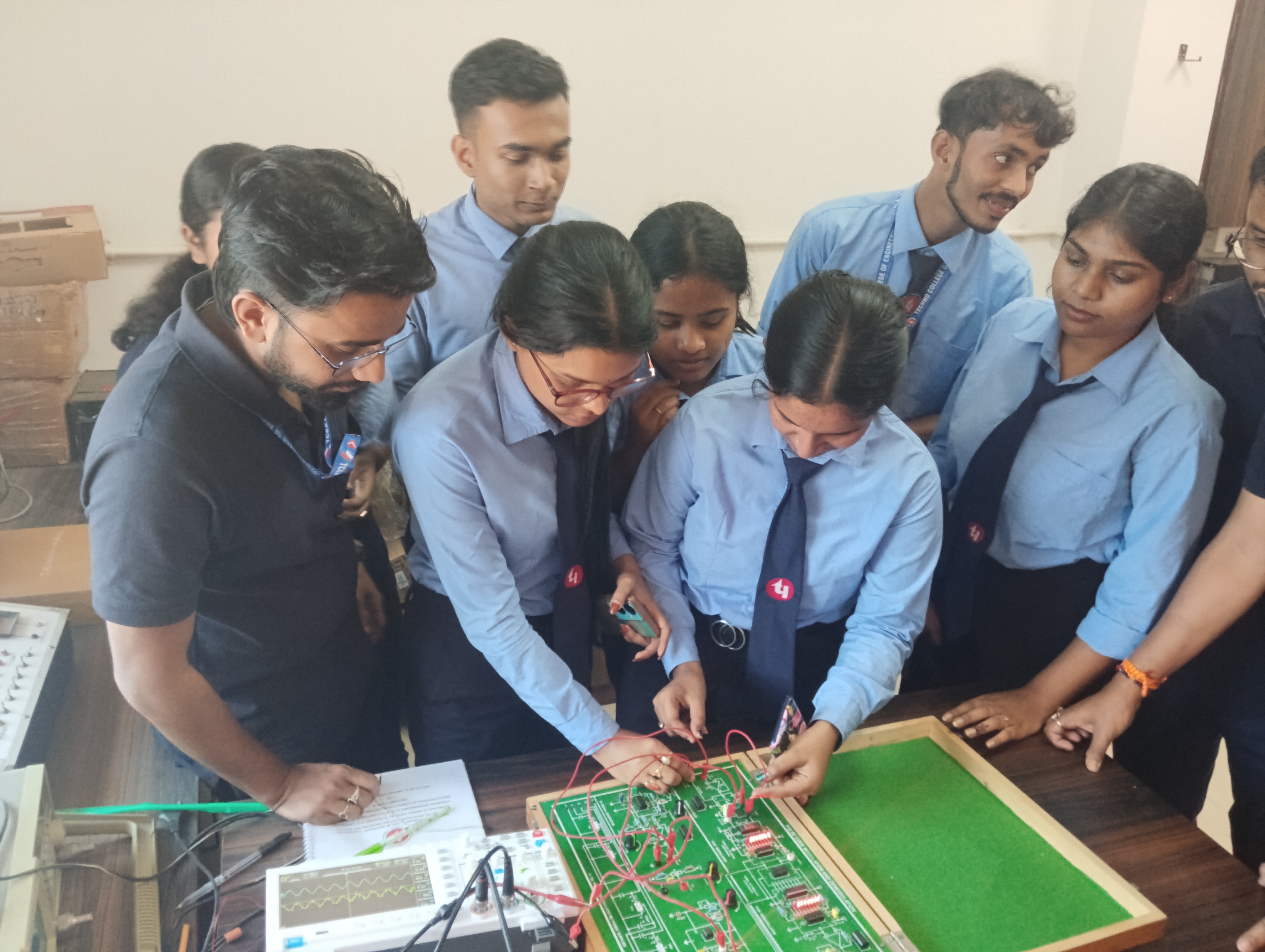
Electronic Devices Lab
This course is designed to provide hands-on experience with fundamental semiconductor devices and their characteristics. It bridges theoretical concepts with practical implementation, enabling students to analyse, interpret, and understand the behaviour of various electronic components used in modern electronic circuits. The laboratory emphasizes the IV characteristics of diodes and transistors, including both standard and special-purpose devices, helping students gain a solid foundation in electronic circuit design and analysis.
View More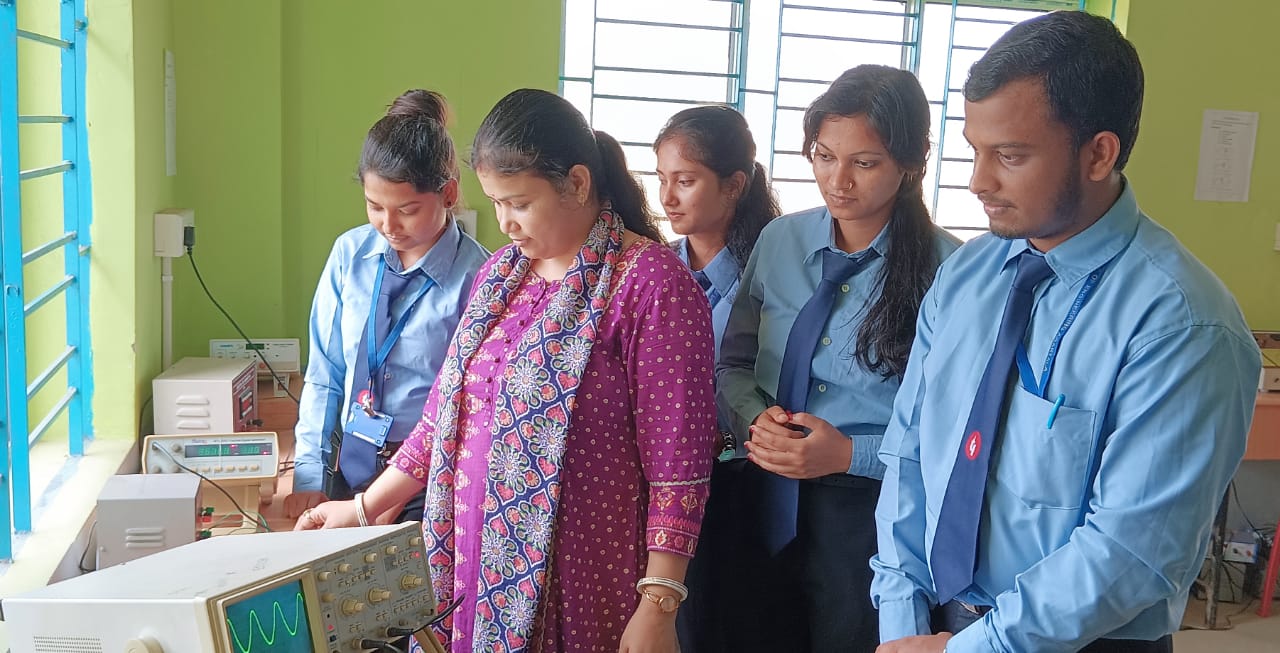
Analog Circuits Lab
This course helps students understand and build basic analog electronic circuits using diodes, transistors, and operational amplifiers. Students will learn about rectifier circuits, transistor biasing, op-amp applications, and oscillator circuits. They will also study power amplifiers like Class A and Class B.By performing hands-on experiments, students will develop skills to construct and analyze various circuits, understand their working, and test their outputs. This will prepare them to apply analog electronics concepts in real-world applications.
View More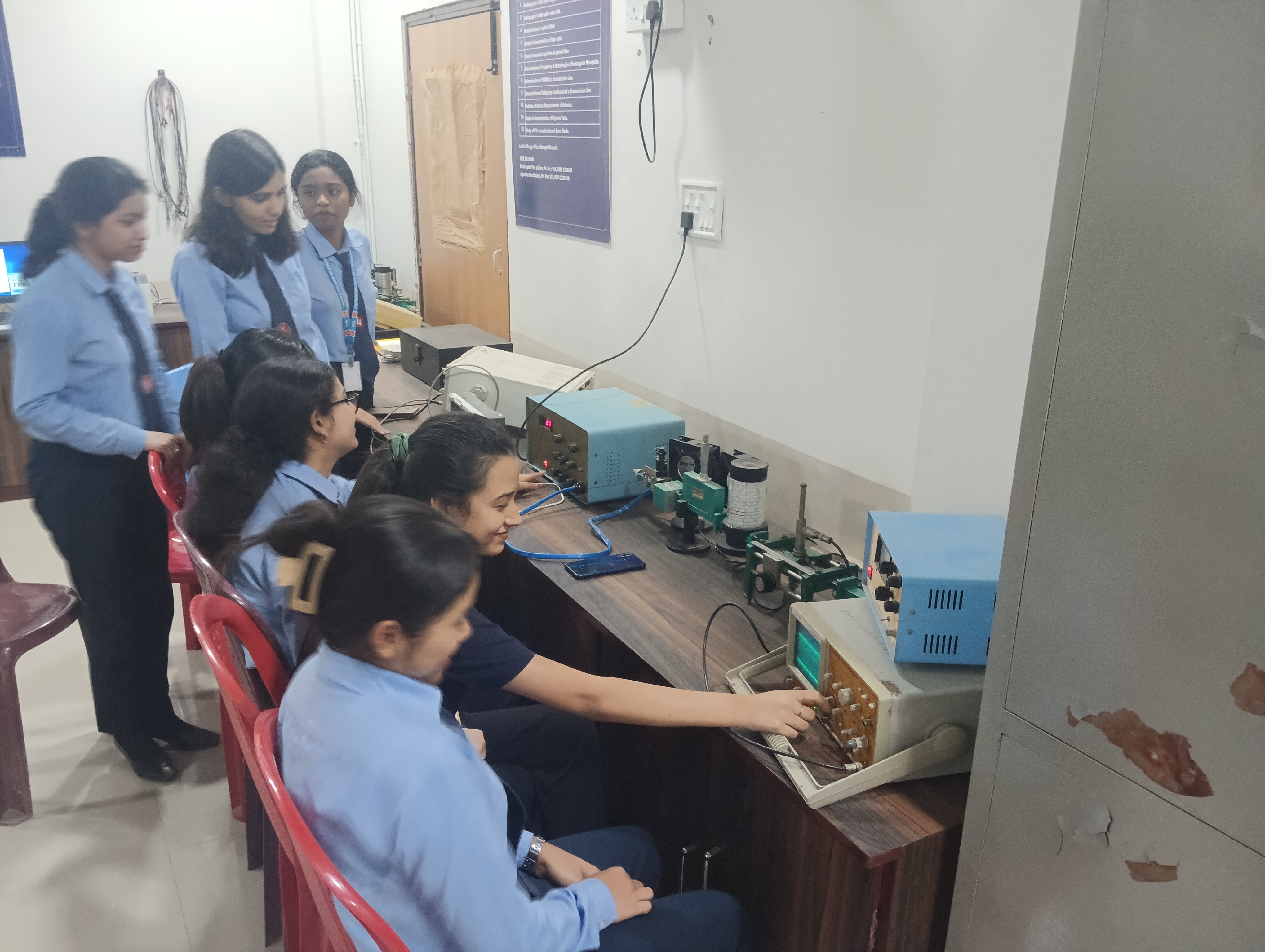
Basic Simulation Lab
This course provides a comprehensive introduction to MATLAB and Simulink, equipping students with essential skills for numerical computation, data analysis, and system modeling. It covers fundamental programming concepts, matrix operations, data visualization, and the application of built-in functions. Emphasis is placed on hands-on practical exercises to solidify understanding and develop problem-solving abilities.
View More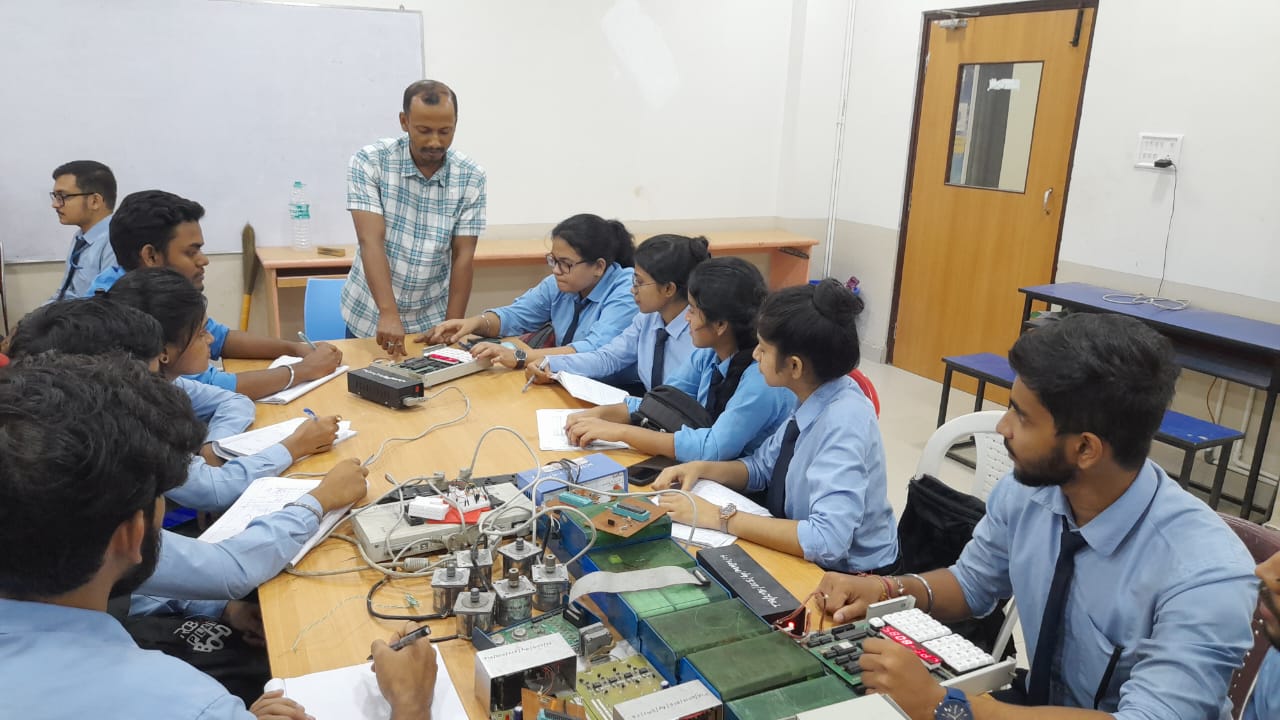
Microcontrollers Lab
The Microprocessors and Microcontrollers Laboratory provides hands-on experience in programming and interfacing techniques using assembly language and microcontroller-based systems. Students will learn fundamental concepts of data manipulation, arithmetic and logical operations, number system conversions, waveform generation, and control applications. This course emphasizes practical implementation using 8085/8086 processors and the 8051 microcontroller, enabling students to design and execute real-time applications such as data sorting, conversions, and traffic light control, thereby strengthening their embedded system skills.
View More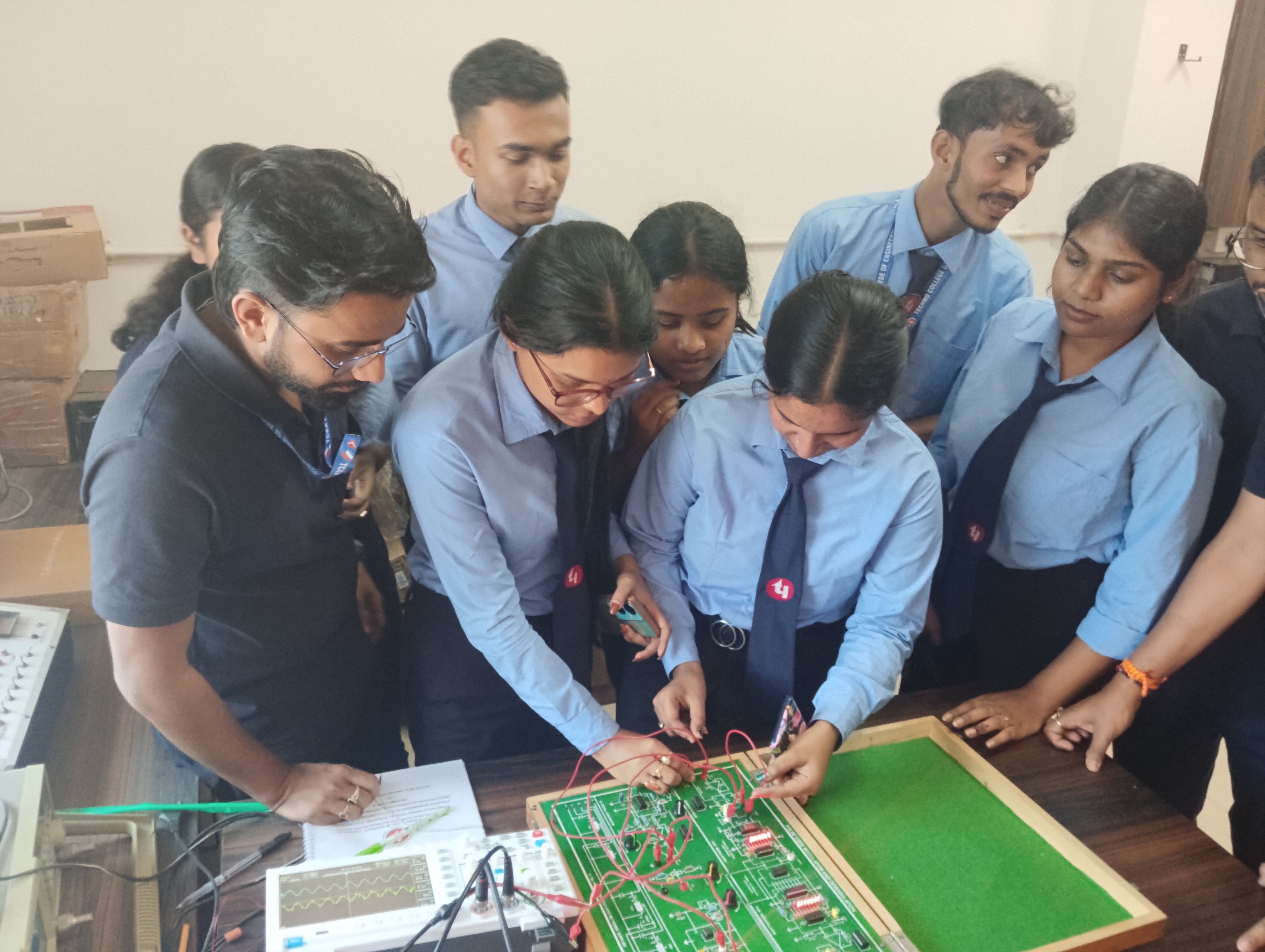
Analog and Digital Communication Lab
This course provides a comprehensive understanding of analog and digital modulation techniques, covering their principles, implementation, and demodulation. It explores various modulation schemes, including Amplitude, Frequency, and Pulse Code Modulation, alongside an analysis of noise effects and mitigation strategies in communication systems. The course also delves into different digital shift keying techniques and their software simulation.
View More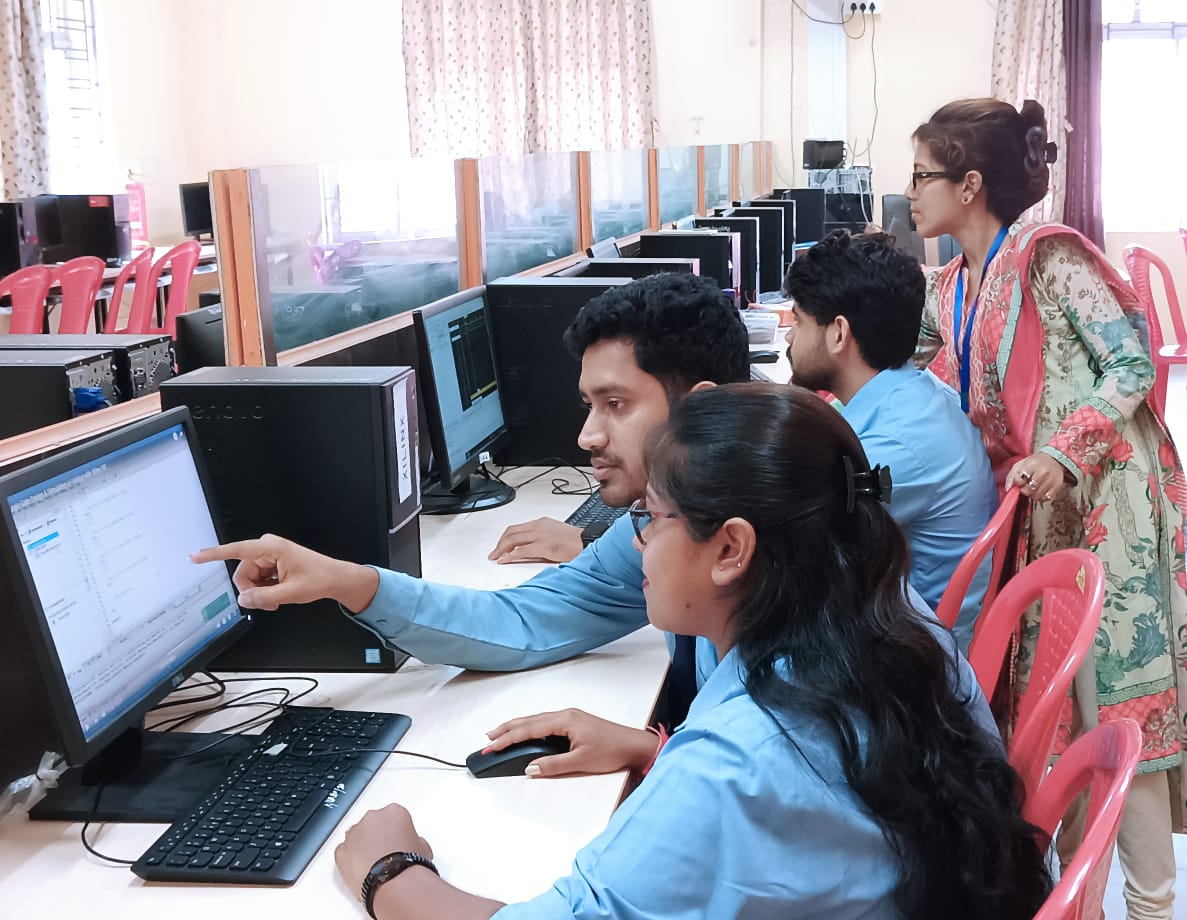
Digital System Design Lab
The Digital System Design Lab is intended to provide hands-on experience in designing, simulating, and implementing digital logic circuits using both hardware (e.g., breadboards, ICs, FPGA boards) and software tools (e.g., Verilog, VHDL, simulation tools like ModelSim, Xilinx Vivado). Students will Understand the fundamentals of digital logic Design and test, combinational and sequential circuits.Write and simulate HDL code.Implement designs on FPGAs or CPLDs.
View More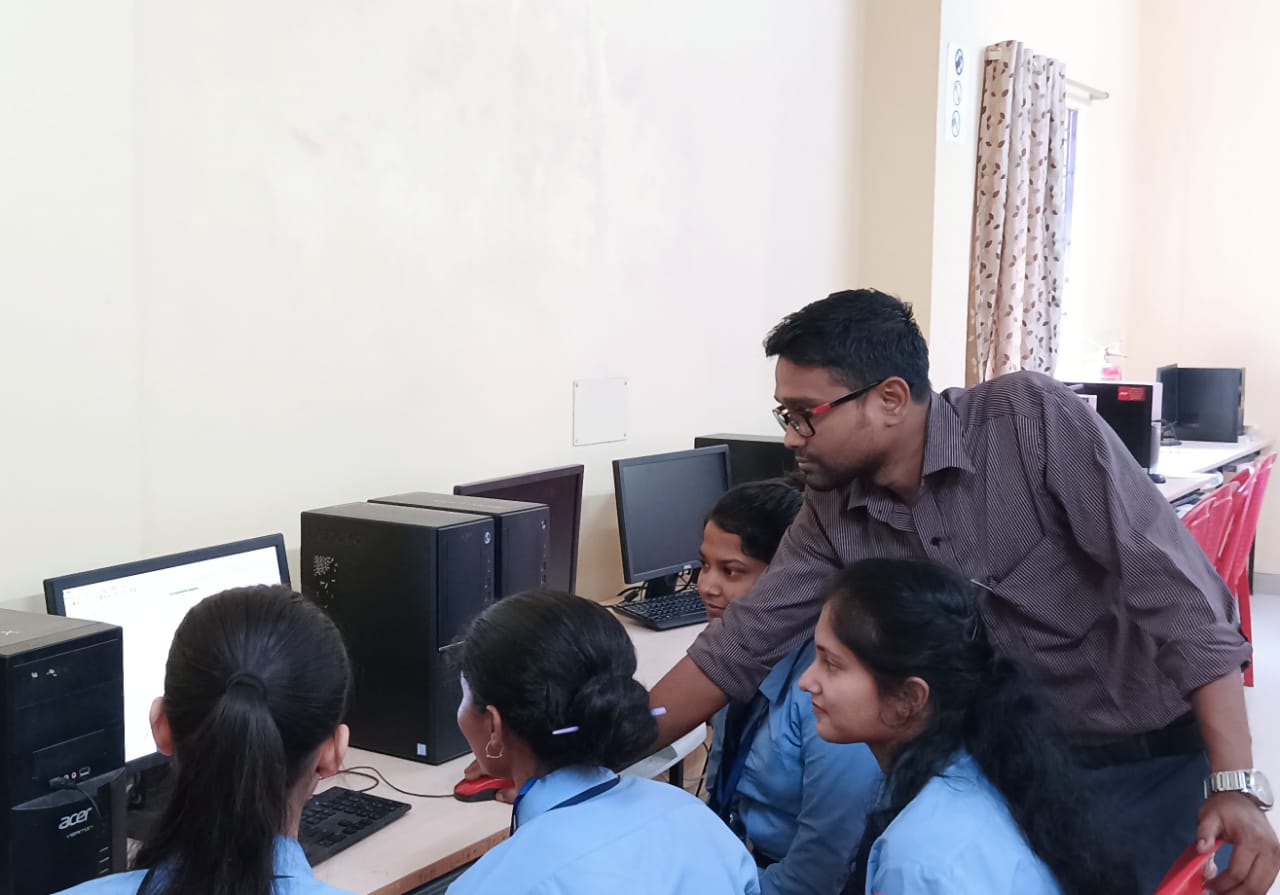
Digital Signal Processing Lab
The Digital Signal Processing (DSP) Laboratory course provides practical exposure to fundamental and advanced concepts of DSP through hands-on experiments using MATLAB and DSP hardware platforms such as TMS320C50 or higher. The course emphasizes the implementation of signal generation, manipulation, and analysis techniques, along with filter design and real-time signal processing on DSP processors. Students will develop proficiency in applying theoretical DSP concepts to practical scenarios, including convolution, correlation, Z-transform, DFT/IDFT, circular convolution, and FIR/IIR filter design. The lab also introduces hardware-level programming and execution, fostering skills essential for digital communication, audio processing, and embedded DSP applications.
View More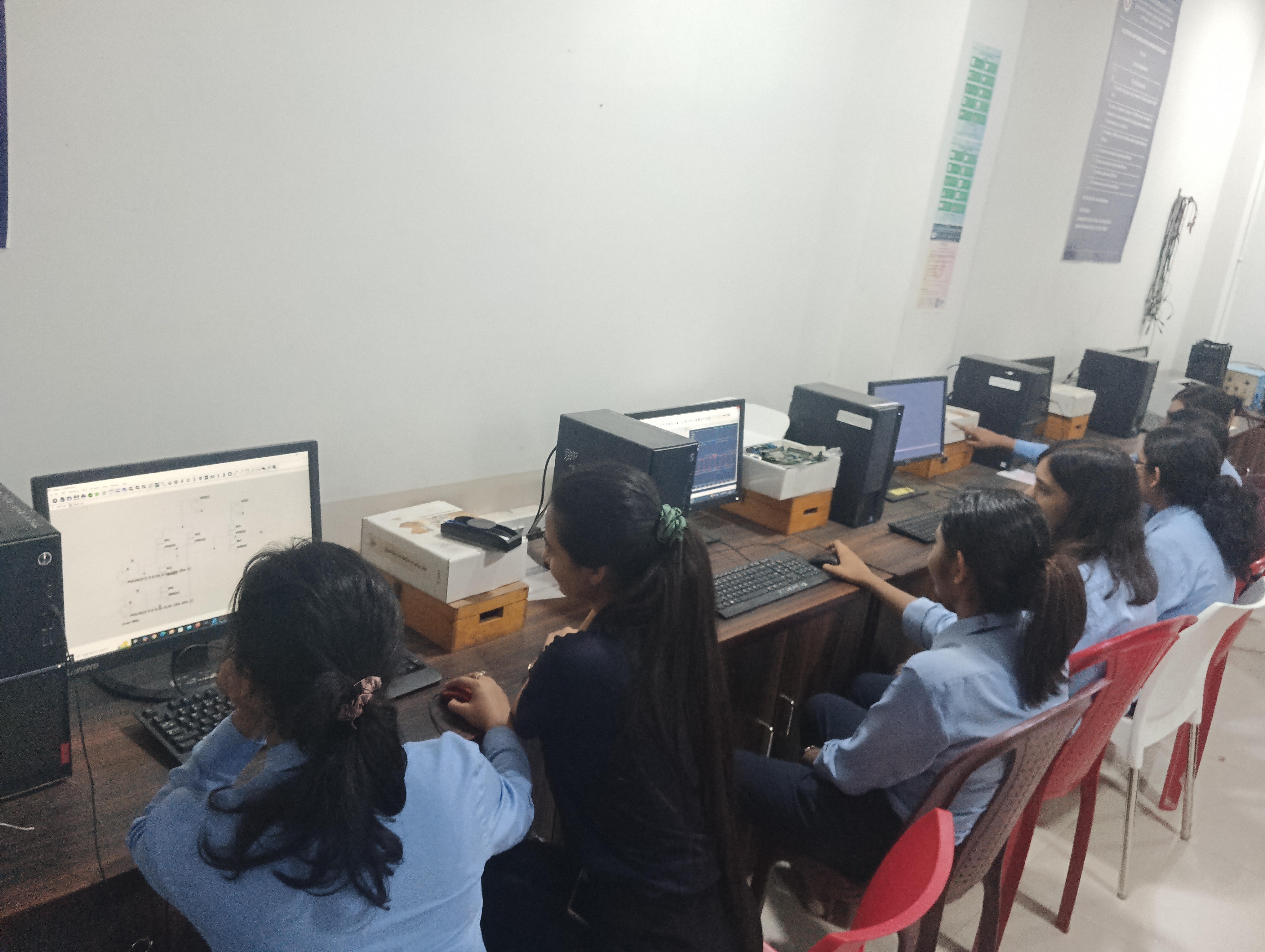
VLSI Lab
This course provides practical experience in Very Large Scale Integration using CAD tools. Students will learn to analyze and simulate CMOS inverters and buffers at both circuit and layout levels, understanding their DC characteristics, delay, and power consumption. The lab also focuses on interpreting and implementing various combinational and sequential VLSI circuits. A significant component involves applying analytical and engineering skills to design and simulate a complete VLSI project, enhancing their practical understanding of modern VLSI design methodologies.
View More